Short Answer
What It Is / Stage Overview
A Mother’s Circle is a gathering of mothers—or any primary caregivers—who come together regularly to share the real, unfiltered experience of raising children. It is not a class, a therapy group, or a playdate (though play may happen on the sidelines). Instead, it is a peer-led, intentional community where members listen, validate, and support one another through the evolving seasons of motherhood. Circles can be formal, with a trained facilitator and a set curriculum, or informal, meeting in living rooms, parks, or online. What defines them is a commitment to showing up honestly and holding space for each other’s stories.
Mother’s Circles are relevant from pregnancy through the teen years and beyond. The needs and focus shift as children grow, but the core purpose—connection—remains constant. Below, we explore how a circle can look and feel at each stage of the parenting journey.
Pregnancy
During pregnancy, a Mother’s Circle often becomes a place to voice excitement, fears, and the physical and emotional changes of expecting. Topics might include birth plans, body image, relationship shifts, and preparing for a new identity. Many circles welcome pregnant mothers as a way to build community before the baby arrives, easing the transition into motherhood. Research consistently shows that social support during pregnancy is linked to better maternal mental health and even improved birth outcomes (American College of Obstetricians and Gynecologists, 2023).
Newborn (0–3 months)
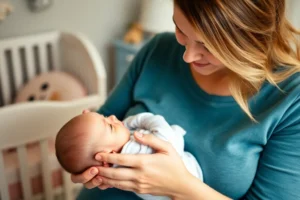
In the newborn stage, a Mother’s Circle can be a lifeline. Mothers often grapple with sleep deprivation, breastfeeding or feeding challenges, postpartum recovery, and the intense emotional swings of the “fourth trimester.” A circle provides a space to normalize these struggles, share practical tips, and simply be with others who understand. Many circles incorporate baby weigh-ins, lactation support, or simply a hot cup of tea and a listening ear. The focus is on reassurance: “You are not alone, and you are doing a good job.”
Infant (3–12 months)
As babies become more alert and interactive, circle conversations often turn to developmental milestones, sleep regressions, starting solids, and the balancing act of returning to work or staying home. Mothers may share strategies for teething, separation anxiety, and finding moments of self-care. The circle remains a consistent anchor during a time of rapid change, reminding mothers that there is no single “right” way to parent.
Toddler (1–3 years)
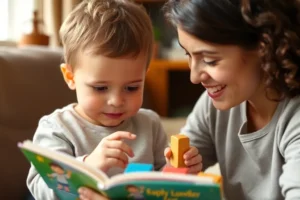
Toddlerhood brings big feelings, boundary testing, and the first real negotiations around discipline. A Mother’s Circle during this stage can be a place to vent about tantrums, discuss gentle parenting approaches, and celebrate the hilarious, messy moments. It also becomes a space to talk about shifting partnerships, sibling dynamics, and the emotional work of parenting a willful little person. Peer support helps mothers feel less reactive and more intentional.
Preschool (3–5 years)
With preschool comes new independence—and new worries. Mothers may discuss school readiness, social skills, screen time, and navigating friendships. The circle can also address the mother’s own identity as her child spends more time away. Many circles at this stage incorporate occasional child-free gatherings to focus on the mothers’ needs, careers, and personal growth.
School Age (6–12 years)
As children enter elementary school, the challenges shift toward academics, extracurriculars, peer pressure, and technology. A Mother’s Circle provides a sounding board for decisions about homework, chores, and fostering resilience. It also becomes a place to discuss the less-talked-about aspects of midlife motherhood: changing bodies, career pivots, and maintaining a strong partnership or co-parenting relationship.
Teen (13–18 years)
Parenting teenagers requires a different kind of support. Mothers in a circle may share concerns about mental health, social media, dating, and launching young adults. The circle offers perspective from those who have been through it or are in the trenches together. It reminds mothers that staying connected—even when teens pull away—matters deeply. At this stage, the circle often becomes a long-term friendship group that has weathered many seasons together.
Typical Signs, Timeline, or Milestones
While every Mother’s Circle is unique, many follow a similar developmental arc. Understanding this timeline can help you know what to expect, whether you are joining an existing circle or starting your own.
Formation (first 1–3 meetings): The group comes together, often through a shared context such as a prenatal class, neighborhood, or online forum. Early meetings focus on introductions, setting group agreements (confidentiality, nonjudgment, listening without fixing), and establishing a rhythm. It is normal for members to feel a mix of excitement and awkwardness.
Norming (first few months): Trust deepens. Members begin to share more vulnerably, and the group finds its natural flow. Some circles use a talking piece or a check-in question to ensure everyone has space. Attendance may fluctuate as life intervenes, but a core group often stabilizes.
Performing (ongoing): The circle becomes a reliable source of support. Members celebrate milestones together, offer meals during crises, and hold each other accountable to self-care. The group may evolve its format—adding occasional partner nights, book discussions, or service projects—while maintaining the central purpose of connection.
Transforming (as children age): Over years, the circle may shift from weekly meetings to monthly, or from in-person to a messaging thread. Some circles naturally dissolve as children grow, while others endure for decades. Both outcomes are normal. The key is that the circle served its purpose for the season it was needed.
Causes / Why It Happens
Mother’s Circles arise from a fundamental human need for community, which modern parenting often lacks. Historically, child-rearing was a shared endeavor among extended family and close-knit villages. Today, many parents—especially in Western cultures—raise children in relative isolation, far from relatives and without built-in support networks. This gap can contribute to loneliness, stress, and postpartum mood disorders.
Research consistently links strong social support to better maternal mental health. The American Academy of Pediatrics (AAP) recognizes that maternal depression can affect child development and recommends screening and connecting mothers to resources. Peer support groups, including Mother’s Circles, are a low-cost, accessible way to buffer against isolation. They work by normalizing experiences, reducing stigma, and providing practical coping strategies.
Additionally, the transition to motherhood—matrescence—is a profound identity shift akin to adolescence. Just as teens need peer support, new mothers benefit from being with others who are navigating the same transformation. A Mother’s Circle validates the emotional complexity of this life stage and helps mothers integrate their new identity.
What Parents Can Do
Whether you are looking to join a circle or start one, here are practical, safe steps to build meaningful connection.
If you want to join an existing circle:
- Ask your obstetrician, midwife, pediatrician, or local hospital about postpartum support groups. Many offer free or low-cost circles.
- Check with community centers, places of worship, libraries, and family resource centers.
- Search online platforms like Meetup, Facebook groups, or Peanut for local or virtual Mother’s Circles. Read group descriptions and rules to find a good fit.
- Attend a few times before deciding. It can take a while to feel comfortable, and group dynamics vary widely.
If you want to start your own circle:
- Begin with 3–5 mothers you already know or who share a similar context (due dates, children’s ages, neighborhood).
- Choose a consistent time and place. Rotating homes can work, but a neutral space like a park or community room may feel more inclusive.
- Set clear intentions and agreements. Common ones include: what’s shared here stays here; we listen without offering unsolicited advice; we respect each other’s parenting choices; we allow space for all emotions.
- Use a simple structure. Many circles start with a check-in (a word or phrase describing how you are), a topic or open sharing, and a closing. A talking piece—an object passed to indicate whose turn it is—can help ensure everyone is heard.
- Keep it sustainable. Meeting weekly may be ideal in the newborn phase, but biweekly or monthly may be more realistic long-term. A group chat can maintain connection between meetings.
- Be mindful of inclusivity. Welcome mothers of all backgrounds, family structures, feeding methods, and parenting philosophies. Avoid language that assumes a partner, a certain socioeconomic status, or a specific birth experience.
What not to do: Do not turn the circle into a competition or a place for judgment. Avoid giving medical advice unless you are a qualified professional. If a member shares something concerning—such as thoughts of harming herself or her baby—take it seriously and encourage her to seek professional help immediately.
When to Contact a Doctor / Red Flags
A Mother’s Circle is a powerful source of peer support, but it is not a substitute for professional medical or mental health care. It is important to recognize when a mother—yourself or a circle member—may need more help than the group can provide.
Seek emergency care or call local emergency services immediately if a mother:
- Expresses thoughts of harming herself or her baby.
- Shows signs of psychosis, such as confusion, hallucinations, or delusions.
- Is unable to care for herself or her child due to severe depression or anxiety.
Contact a healthcare provider promptly if a mother experiences:
- Persistent sadness, hopelessness, or emptiness that lasts more than two weeks.
- Intense anxiety or panic attacks that interfere with daily functioning.
- Difficulty bonding with the baby or feeling detached.
- Significant changes in appetite, sleep, or energy that are not related to typical newborn care.
- Intrusive, scary thoughts that cause distress (even if she would never act on them).
Non-urgent concerns to discuss at a routine visit:
- Feeling overwhelmed or isolated despite having support.
- Questions about whether certain feelings are “normal” in motherhood.
- Interest in therapy or medication for mild to moderate mood symptoms.
Remember, postpartum mood and anxiety disorders are common and treatable. The AAP recommends that pediatricians screen mothers for depression at well-child visits during the first year. If you are worried about a friend, gently express your concern and offer to help her find a provider. Organizations like Postpartum Support International (PSI) offer free helplines and online support groups.
Common Myths or Misconceptions
- Myth: A Mother’s Circle is just a playgroup or a coffee klatch.
Fact: While socializing is part of it, a true Mother’s Circle is intentional about emotional support and deep listening. It is a structured space for sharing the real challenges of motherhood, not just casual chitchat. - Myth: You have to be a certain kind of mother to join—breastfeeding, stay-at-home, married, etc.
Fact: Inclusive circles welcome all mothers, regardless of feeding method, work status, family structure, or parenting philosophy. The only requirement is a desire for authentic connection. - Myth: If you have postpartum depression or anxiety, a Mother’s Circle can replace therapy or medication.
Fact: Peer support is a valuable complement to professional treatment, but it is not a substitute. Mothers with moderate to severe symptoms need evaluation by a qualified healthcare provider. A circle can, however, be a bridge to seeking that help. - Myth: Mother’s Circles are only for new moms.
Fact: While many circles form during pregnancy or the first year, the need for connection continues through every stage of parenting. Circles can adapt and thrive for years, supporting mothers through toddlerhood, school age, and adolescence.
FAQ
What exactly is a Mother’s Circle?
A Mother’s Circle is a regular, intentional gathering of mothers who share the real experiences of parenting in a safe, nonjudgmental space. It is peer-led and focuses on emotional support, not advice-giving, and can meet in person or online across all stages of motherhood.
How is a Mother’s Circle different from a playgroup?
While playgroups center on children’s social interaction, a Mother’s Circle prioritizes the mothers’ emotional well-being. Conversation is structured to allow deep sharing, and children’s play is secondary. The goal is connection and support for the mothers themselves.
Can I join a Mother’s Circle if I’m pregnant?
Absolutely. Many circles welcome pregnant mothers as a way to build community before the baby arrives. It can ease the transition into motherhood and provide a ready support network for the postpartum period.
When should a mother seek professional help instead of relying on a circle?
If a mother experiences persistent sadness, anxiety, panic attacks, difficulty bonding with her baby, or any thoughts of harming herself or her child, she should contact a healthcare provider immediately. A circle can offer support but cannot replace medical or mental health treatment.





Leave a Reply