
Short Answer
What It Is / Stage Overview
Preschool readiness describes the set of skills and behaviors that help a young child transition smoothly into a structured group learning environment, typically between the ages of 2.5 and 4 years. It is not a single test or a rigid list of academic prerequisites. Instead, it reflects a child’s growing independence, social interest, emotional regulation, and ability to follow simple routines. Many families begin exploring preschool options when their child is around 2 or 3, but readiness varies widely. Some children may be ready closer to 2.5, while others benefit from waiting until they are 4. The goal is to match the child’s developmental stage with a program that supports their unique temperament and needs.
Preschool programs themselves differ—some are play-based, others more academic, and many offer part-time or full-time schedules. Readiness, therefore, also depends on the specific setting. A child who thrives in a small, nurturing home-based program may need more time before entering a larger, more structured classroom. This checklist is meant to help parents and caregivers observe their child’s strengths and areas for growth, not to serve as a gatekeeping tool. Remember, development is a journey, and every child walks it at their own pace.
Typical Signs, Timeline, or Milestones
While no two children are identical, many show a cluster of readiness signs between 2.5 and 4 years. These milestones fall into several key domains. Use this as a guide to notice what your child is already doing and where they might need a little extra support. It is not a pass/fail checklist—children do not need to demonstrate every single skill to start preschool.
Social-Emotional Readiness
- Shows interest in other children and may engage in parallel play (playing alongside peers) or simple cooperative play.
- Can separate from a primary caregiver for short periods without extreme distress, especially when a familiar adult is present.
- Expresses a range of emotions and is beginning to name feelings (e.g., “I’m sad”).
- Shows emerging empathy, such as noticing when another child is upset.
- Can wait briefly for a turn with support and reminders.
Self-Care and Independence
- Uses the toilet with some help or is fully toilet trained during the day (many preschools require this, but not all).
- Washes hands with assistance and is learning to do it independently.
- Can put on and take off simple clothing items, like a jacket or shoes, with minimal help.
- Feeds themselves with a spoon or fork and drinks from an open cup or straw cup.
- Cleans up toys with prompting and begins to understand simple routines.
Language and Communication
- Speaks in short sentences of 3–5 words and is understood by unfamiliar adults most of the time.
- Follows two-step directions (e.g., “Please pick up the block and put it in the basket”).
- Asks simple questions and can answer basic “what” and “where” questions.
- Uses words to express needs, wants, and feelings more often than crying or physical actions.
- Enjoys listening to short stories and can point to familiar pictures when named.
Cognitive and Motor Skills
- Shows curiosity about the world and asks “why” or “how” questions.
- Can focus on a preferred activity for 5–10 minutes.
- Sorts objects by color, shape, or size and may count a few items by rote.
- Draws with a crayon or marker using a fisted or early tripod grasp and may copy a circle or line.
- Runs, jumps with both feet, climbs, and navigates stairs with alternating feet while holding a rail.
Causes / Why It Happens
Preschool readiness is not a switch that flips at a certain age; it emerges from the gradual maturation of the brain and body, combined with everyday experiences. Between ages 2 and 4, the prefrontal cortex—the area responsible for impulse control, planning, and social understanding—undergoes rapid growth. This neurological development supports the self-regulation and social skills that make group settings manageable. At the same time, language centers in the brain are expanding, allowing children to express themselves more clearly and understand others.
Environmental factors also play a powerful role. Children who have had opportunities to interact with peers, visit playgrounds, attend story times, or spend short periods with trusted caregivers other than their parents often build the social confidence and separation tolerance that preschool requires. Routines at home—regular mealtimes, bedtime rituals, and clean-up habits—lay the groundwork for the predictability of a preschool day. Conversely, a child who has had limited social exposure or inconsistent routines may need more time and support to feel comfortable. Temperament matters, too: some children are naturally more cautious and need a longer, gentler transition, while others dive in eagerly. All of these variations are normal.
What Parents Can Do
You are your child’s first and most important teacher. There are many gentle, everyday ways to nurture the skills that support preschool readiness without pressure or drilling.
- Practice short separations. Leave your child with a trusted relative, friend, or babysitter for brief periods, gradually increasing the time. Always say goodbye and reassure them you will return. This builds trust and coping skills.
- Establish predictable routines. Consistent wake-up, meal, and bedtime routines help children feel secure and understand what comes next—a skill they will use daily in preschool.
- Encourage independence in self-care. Let your child practice dressing, handwashing, and toileting at their own pace. Offer choices (e.g., “Do you want to wear the red shirt or the blue shirt?”) to build decision-making skills.
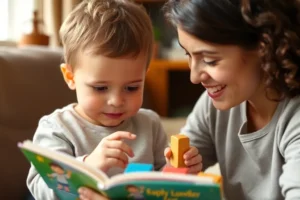
- Read books about preschool. Stories that show characters going to school, making friends, and navigating the day can demystify the experience and open conversations about feelings.
- Visit the preschool together. If possible, tour the classroom, meet the teacher, and play on the playground before the first day. Familiarity reduces anxiety.
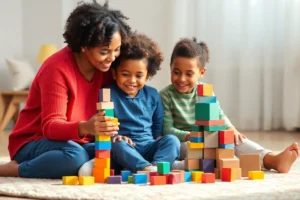
- Arrange playdates or group activities. Small, low-pressure social opportunities help your child practice sharing, turn-taking, and parallel play.
- Model and name emotions. Use everyday moments to label feelings: “You look frustrated that the tower fell. Let’s take a deep breath and try again.” This builds emotional vocabulary and self-regulation.
- Play games that build focus and following directions. Simple activities like “Simon Says,” “Freeze Dance,” or a short scavenger hunt encourage listening and impulse control in a fun way.
- Talk, talk, talk. Narrate your day, ask open-ended questions, and expand on your child’s sentences. If they say, “Dog run,” you can respond, “Yes, the big brown dog is running fast!”
- Respect your child’s pace. If they are not ready, pushing too hard can backfire. Sometimes waiting a few months or choosing a different program makes all the difference.
When to Contact a Doctor / Red Flags
While preschool readiness is a broad spectrum, certain signs may indicate that a child could benefit from additional support or evaluation. These are not reasons to panic, but they are worth discussing with your pediatrician or a child development specialist. Early intervention can be incredibly effective, so trust your instincts.
Red flags to discuss at a routine visit or schedule an appointment for:
- Extreme, inconsolable distress during separations that does not improve over time or with practice.
- Little to no interest in other children or persistent withdrawal from social interaction.
- Aggressive behavior (hitting, biting, kicking) that is frequent, intense, and does not respond to redirection.
- Limited speech: by age 3, not combining words into short phrases, or speech that is very difficult for familiar adults to understand.
- Inability to follow simple one-step directions (e.g., “Bring me the ball”) by age 3.
- Loss of previously acquired skills, such as language, social engagement, or motor abilities.
- Extreme rigidity or difficulty with transitions that leads to prolonged meltdowns multiple times a day.
- Lack of pretend play or repetitive, restricted interests that interfere with learning and socializing.
If your child has a known developmental delay, medical condition, or sensory processing difference, work closely with your pediatrician and any therapists to determine the best preschool setting and timing. For any sudden change in behavior, loss of consciousness, or injury, seek emergency care immediately. Your child’s doctor can also help you distinguish between typical variation and a possible concern, so never hesitate to reach out.
Common Myths or Misconceptions
- Myth: My child must know their ABCs, numbers, and colors before starting preschool.
Fact: Academic knowledge is not the core of preschool readiness. Social-emotional skills, independence, and curiosity are far more important. Preschool is designed to teach these concepts through play. - Myth: If my child cries at drop-off, they are not ready for preschool.
Fact: Some separation anxiety is normal, even for children who are developmentally ready. With a consistent, loving goodbye routine, most children settle within a few weeks. It’s the pattern over time that matters. - Myth: Preschool is just glorified daycare; children don’t really learn anything.
Fact: High-quality preschool programs build foundational skills in language, pre-math, social interaction, and self-regulation through intentional, play-based activities. The benefits are well-documented. - Myth: If my child isn’t ready by age 3, they are behind and will struggle later.
Fact: Development is not a race. Many children, especially those with late birthdays or more cautious temperaments, thrive when they start preschool at 4 or even later. Readiness is about the match between the child and the environment, not a fixed deadline.
FAQ
What skills does my child need before starting preschool?
Focus on social-emotional and self-care skills: separating from you without extreme distress, showing interest in other children, following simple directions, and managing basic needs like handwashing and toileting. Academic knowledge like letters and numbers is not required; preschool will teach those through play.
At what age should I start thinking about preschool readiness?
Many families begin exploring preschool options around age 2 to 2.5, but readiness varies. Some children are ready closer to 2.5, while others thrive starting at 4. Observe your child’s social interest, independence, and ability to handle transitions rather than focusing on a specific age.
How can I help my child prepare for preschool?
Practice short separations, establish predictable routines, read books about preschool, and encourage self-help skills like dressing and toileting. Arrange playdates to build social comfort, and visit the school together if possible. Always respect your child’s pace and avoid pressure.
When should I be concerned about my child’s readiness for preschool?
Contact your pediatrician if your child shows extreme separation distress that doesn’t improve, little interest in peers, frequent intense aggression, very limited speech by age 3, or loss of previously acquired skills. Early support can make a big difference, so trust your instincts.





Leave a Reply